
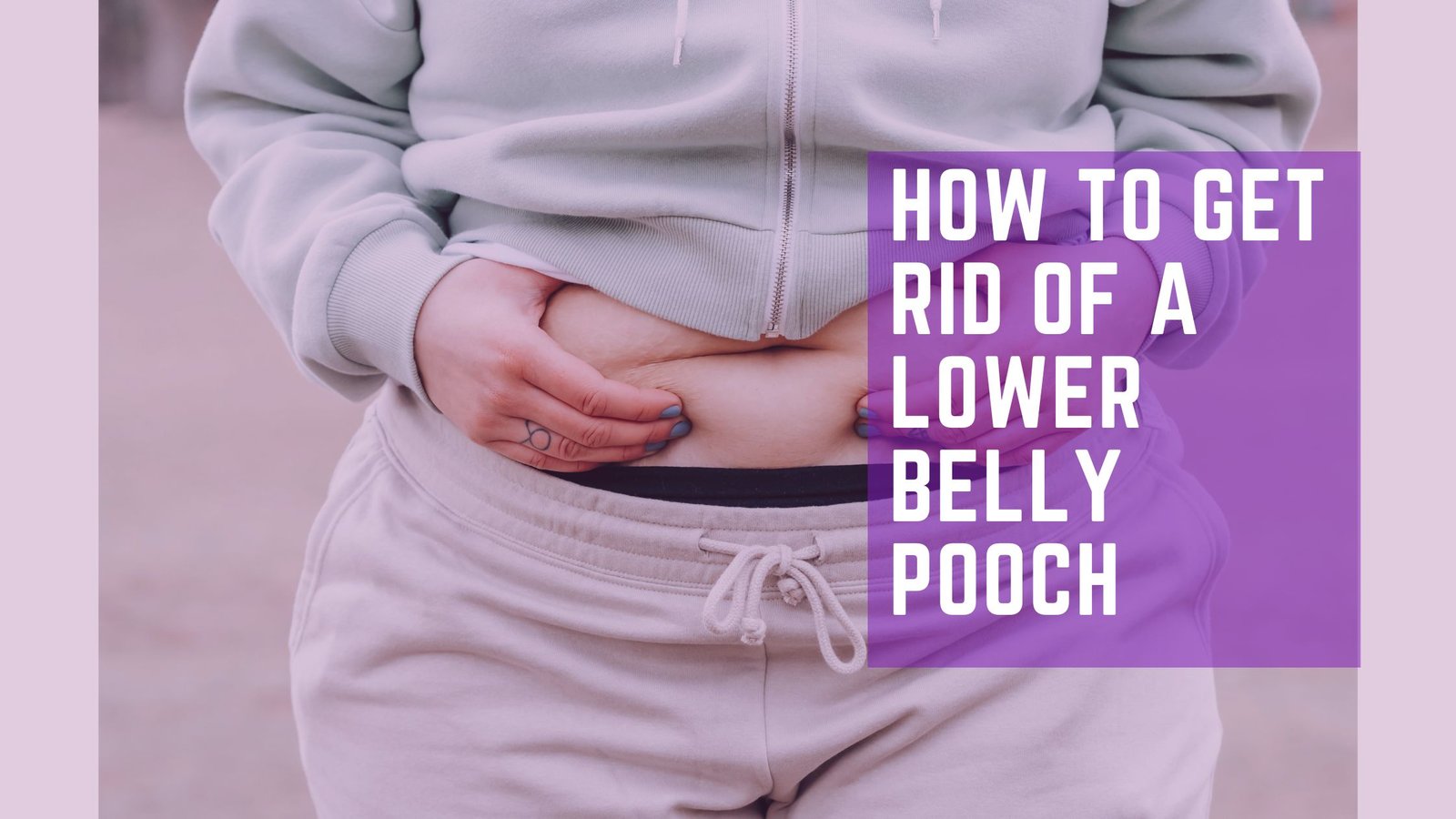
Plenty of women notice a lower belly pooch even after losing weight, eating well, or exercising regularly. It’s easy to assume you need more ab workouts, but that’s rarely the whole story.
You see, lower belly pooch isn’t always caused by excess body fat. Depending on your body and your lifestyle, it could be linked to other things like bloating, posture, pregnancy, weak core muscles, genetics, or simply the way your body stores fat. This is why copying someone else’s workout routine often leads to disappointment, because you’re most likely solving the wrong problem.
Before you can figure out what will help, you need to understand what’s causing your lower belly pooch, and this guide walks through the most common reasons a lower belly pooch happens, how to tell which one applies to you, and the steps that actually make a difference.
What is a lower belly pooch?
Like you already know, the lower belly pooch is the small, soft bulge that sits below the belly button, distinct from the flatter area above it. It tends to show up most in fitted leggings or high-waisted jeans, which is exactly why so many women notice it while getting dressed rather than while looking in a full-length mirror.
“Lower belly pooch” isn’t a medical diagnosis, there is absolutely nothing wrong with you. It’s a description of appearance, not a specific condition, and that distinction matters. The same visual outcome, a soft curve below the navel, can come from at least six or seven different underlying causes. The problem is you are trying to treat all of them with the same fix, which is why you just can’t seem to get rid of it. Before trying to get rid of it, you first need to understand what’s creating it.
MUST READ==> Why You’re Doing Everything Right, But Still Not Losing Weight
Why do you have a lower belly pooch?
Several reasons might contribute to it, which is why I often advise against generic advice; they often fail. A 24-year-old with hormonal bloating and a 38-year-old with three years postpartum can both be described as “a pooch that won’t go away,” yet they need almost opposite approaches. So, here are the eight most common contributors to belly pooch, and they are in no particular order;
Body fat.
The lower abdomen, along with the hips and thighs, is one of the most common fat storage sites for women. Estrogen encourages fat storage in these areas, which is part of why fat distribution differs so much between men and women. Genetics decides a lot of this too. Two women with identical body fat percentages can carry that fat in noticeably different places.
So, it’s only natural to see your belly pooch if you have a high percentage of body fat. I have seen women who try to lose belly fat do a tremendous amount of ab workouts hoping they can spot reduce it, and that is a mistake.
Spot reduction, the idea that you can target fat loss to one specific area through exercise, doesn’t hold up. Fat loss happens across the whole body based on genetics and hormones, not based on which muscle you’re working. When you lower your overall body fat, the lower belly fat will naturally decrease. Keep in mind that it’s often one of the last places to change, which can make progress feel slower than it actually is.
Bloating.
Temporary bloating can look almost identical to fat, which trips up a lot of people trying to self-diagnose. Common triggers include gas, constipation, food intolerances (dairy and high-FODMAP foods are frequent culprits), eating too fast, and hormonal shifts tied to the menstrual cycle.
Bloating has a rhythm that fat doesn’t. If your belly looks noticeably flatter first thing in the morning and fuller by evening, or if it swells after specific meals, bloating is likely playing a bigger role than fat storage.
Weak deep core muscles
There’s a difference between visible abs and functional core strength, and a lot of women with a strong six-pack still have a weak deep core. The transverse abdominis is the deepest abdominal muscle, wrapping around your torso like a natural weight belt. When it’s weak, the abdominal wall has less support, and the lower belly can protrude even at a low body fat percentage.
This is why endless crunches often don’t fix the problem. Crunches primarily target the rectus abdominis (the visible “six-pack” muscle) rather than the transverse abdominis. You can do 500 crunches a week and still have a pooch if the deeper stabilizing muscle never gets trained.
Your posture is making it more noticeable.
An anterior pelvic tilt, where the pelvis tips forward, pushes the lower belly out and the lower back in, creating a more prominent curve even when body fat hasn’t changed. Rounded shoulders and a forward head position shift weight distribution through the torso in ways that compound the effect. Weak glutes and tight hip flexors often sit underneath the tilt as root causes.
None of this changes how much fat you’re carrying. It changes how that fat, and your natural shape, gets displayed. Two people with identical measurements can look completely different depending on pelvic position alone.
Pregnancy and diastasis recti
Diastasis recti is a separation of the two sides of the rectus abdominis along the connective tissue (the linea alba) that runs down the midline. It happens to some degree in most pregnancies as the abdomen stretches to accommodate a growing uterus, and it’s why many women notice a persistent pooch well after giving birth, sometimes for years without knowing the cause.
Traditional ab exercises, particularly crunches and sit-ups, can make diastasis recti worse by increasing pressure on already-separated tissue.
Loose skin after weight loss
Loose skin and fat are not the same thing, though they can be hard to tell apart by looking in a mirror. Skin has a protein called elastin that allows it to stretch and recoil, and how well it recoils after weight loss varies a lot from person to person. Age, genetics, how much weight was lost, and how quickly it came off all play a role in how much skin retracts versus how much stays loose.
Genetics and natural body shape
Everyone stores fat according to a pattern that’s largely set by genetics, not effort or discipline. Pelvic width and bone structure also shape how the lower abdomen sits, meaning some natural fullness below the navel is simply part of a normal body, not a sign that something’s wrong or that more work is needed.
A wider pelvis, which is common and often more pronounced in women who’ve given birth, naturally pushes the lower abdominal wall slightly forward compared to a narrower frame. Comparing your midsection to someone with a different pelvic structure and expecting the same result is a setup for frustration that has nothing to do with how hard either person is working.
ALSO READ==> Why You Can’t Lose Fat in the Areas of Your Body You Want And What You Should Do Instead
How to tell what’s causing your lower belly pooch
Most women have more than one contributing factor, which is exactly why it is very easy for you to miss the signs and jump straight into ab workouts. Some signs that could help you identify what is actually causing your lower belly pooch include;
Signs it’s mostly body fat
You can pinch soft tissue in the area rather than feeling firm or tight. You’ve noticed weight gain in other places too, like your hips, arms, or face. Your belly size stays fairly consistent whether it’s morning or night, before a meal or after one.
If bloating is the cause
Your stomach changes shape noticeably within an hour or two of eating certain meals. There’s a tight, sometimes uncomfortable feeling rather than a soft one. The size fluctuates a lot between morning and evening, daily.
Signs your core or posture may be the issue
Your belly sticks out even at a body fat percentage where you’d expect it to look flatter. Your lower back arches more than feels neutral when you stand normally. When you consciously stand tall and brace your core, the pooch visibly flattens.
Signs you may have diastasis recti
You can feel a gap, sometimes a finger-width or wider, running down the middle of your abdomen. It appeared during or after a pregnancy. If any of this sounds familiar, a medical evaluation is worth getting before starting an ab-focused program, since the wrong exercises can slow recovery.
What actually helps a lower belly pooch
There isn’t one solution, because there isn’t one cause. The best results come from matching the strategy to the actual reason behind the pooch rather than defaulting to whatever workout is trending. Below is a breakdown by cause.
If it’s body fat
A moderate calorie deficit, roughly 300 to 500 calories below maintenance, tends to produce steady fat loss without the muscle loss and energy crashes that come with more extreme cuts. Strength training two to four times a week preserves muscle while you’re in that deficit, which matters because muscle is what keeps your metabolism from slowing down as much during fat loss.
Daily movement outside of formal workouts, walking in particular, adds up more than most people expect; an extra 3,000 to 4,000 steps a day can noticeably shift your weekly calorie balance without feeling like exercise. A higher protein intake helps you stay fuller on fewer calories and protects muscle tissue. None of this works overnight. Consistency over months, not intensity over days, is what actually changes lower belly fat.
If it’s bloating
Eating more slowly to reduces the air you swallow and gives your body time to signal fullness, which on its own can noticeably reduce post-meal bloating. Staying hydrated helps digestion move at a normal pace, since dehydration is a common, overlooked contributor to constipation.
Increase fiber gradually rather than all at once. A sudden jump from 15 grams a day to 40 grams often causes more gas and bloating, not less. Pay attention to specific trigger foods (dairy, artificial sweeteners, and cruciferous vegetables are frequent offenders) and address constipation directly if it’s a recurring issue. Cutting back on carbonated drinks helps some people, though it’s not universal.
If it’s weak core muscles
Core stability needs to come before advanced ab exercises, not after. Proper breathing (specifically, exhaling as you brace rather than holding your breath) activates the transverse abdominis correctly. Core bracing, or gently drawing your belly button toward your spine while keeping normal breathing, builds the foundation that crunches skip entirely. Controlled, slow movements train the stabilizing muscles far more than fast, high-rep ab circuits do.
If posture is the main issue
Stretching tight hip flexors, especially after long periods of sitting, reduces the forward pull on the pelvis. Strengthening the glutes gives the pelvis a counterbalance, since weak glutes are one of the biggest drivers of anterior tilt. Improving upper back posture (rolled shoulders forward for hours at a desk adds up) changes how the whole torso sits. Practicing core engagement during ordinary activities, not just during workouts, is what makes posture changes stick.
If it’s related to pregnancy
Safe postpartum exercise starts gently and progresses based on healing, not a fixed calendar date. Pelvic floor recovery often needs direct attention, ideally with a pelvic floor physical therapist, since the core and pelvic floor work as one connected system. Core rehabilitation for diastasis recti focuses on gentle activation of the transverse abdominis before any traditional strengthening. Patience matters more here than almost anywhere else in this guide. Full recovery can take a year or longer, and rushing it tends to backfire.
MUST READ==> 10 Full-Body Pilates Workouts To Achieve Anime Body
Best exercises for a lower belly pooch
These exercises won’t burn fat from one specific area (nothing does), but they strengthen the muscles that support your core and improve the posture and pelvic position driving how your midsection looks.
Dead bug
Trains the deep core to stabilize your spine while your limbs move independently, which mimics how your core actually works in daily life. It’s one of the best entry points for retraining the transverse abdominis without straining the lower back.
Heel taps
A gentler variation that builds control before progressing to bigger leg movements. It teaches your core to resist the urge to arch as your legs lower, which directly targets the muscle weakness behind a lot of posture-related pooches.
Glute bridge
Strengthens the glutes, which pull the pelvis into a more neutral position and reduce anterior tilt. Stronger glutes also take pressure off the lower back, which tends to arch less once glute strength improves.
Bird dog
Challenges core stability and balance at the same time, forcing the deep stabilizers to work while opposite arm and leg extend. It also reinforces the mind-muscle connection that’s often missing after months of only doing crunches.
Reverse crunch
Targets the lower portion of the rectus abdominis more directly than a standard crunch, using controlled hip flexion instead of momentum. Slow and controlled reps matter far more here than speed or rep count.
Forearm plank
Builds total core endurance when the body stays in a straight line from shoulders to heels, without the hips sagging or piking up. Even 20 to 30 seconds done correctly beats two minutes done with poor form.
Pallof press
An anti-rotation exercise that trains the core to resist twisting forces, which is closer to how your abs function during real movement than crunches ever get. It’s especially useful for building the kind of deep core strength that supports good posture.
Lifestyle habits to Help you Get Rid Of Lower Belly Pooch
Prioritize protein
Protein supports muscle maintenance during fat loss, which keeps your metabolism from dropping as much as it would on a lower-protein diet. It also helps manage hunger better than carbs or fat do, gram for gram, which makes a calorie deficit easier to sustain for more than a couple of weeks.
Sleep enough
Poor sleep disrupts the hormones that regulate appetite (ghrelin goes up, leptin goes down), which is part of why short sleep is linked to higher calorie intake the next day. Research on sleep-restricted adults has repeatedly found people eat more, and often reach for higher-carb, higher-fat foods, after nights of five or six hours compared to nights of seven or eight. Sleep also drives physical recovery and gives you the energy needed to train consistently, rather than skipping workouts because you’re exhausted.
Manage stress
Chronic stress raises cortisol, which can increase cravings for high-calorie foods and, for some people, worsen digestive symptoms like bloating, since the gut and nervous system are closely linked. This doesn’t mean stress needs to hit zero, which isn’t realistic for most lives. Even small, regular habits like a 10-minute walk, five minutes of slow breathing, or a consistent wind-down routine before bed make a measurable difference over a few weeks.
Move more throughout the day.
Walking, taking the stairs instead of the elevator, and breaking up long stretches of sitting all add non-exercise activity that burns calories without adding fatigue. This kind of movement, often called NEAT, can vary by hundreds of calories a day between two people with identical formal workout routines.
Warp up
A lower belly pooch isn’t always a sign that you’re unhealthy or doing something wrong. In most cases, it’s a combination of normal anatomy, everyday habits, and one or two specific factors, like bloating, posture, or a weak deep core, that are easy to miss without knowing what to look for.
The real shift happens once you stop guessing and start identifying the actual cause behind yours. From there, you can put your time into the strategies that fit your body instead of chasing quick fixes that were never built to solve your specific problem.
